sananga & Rapeh
What is Sananga
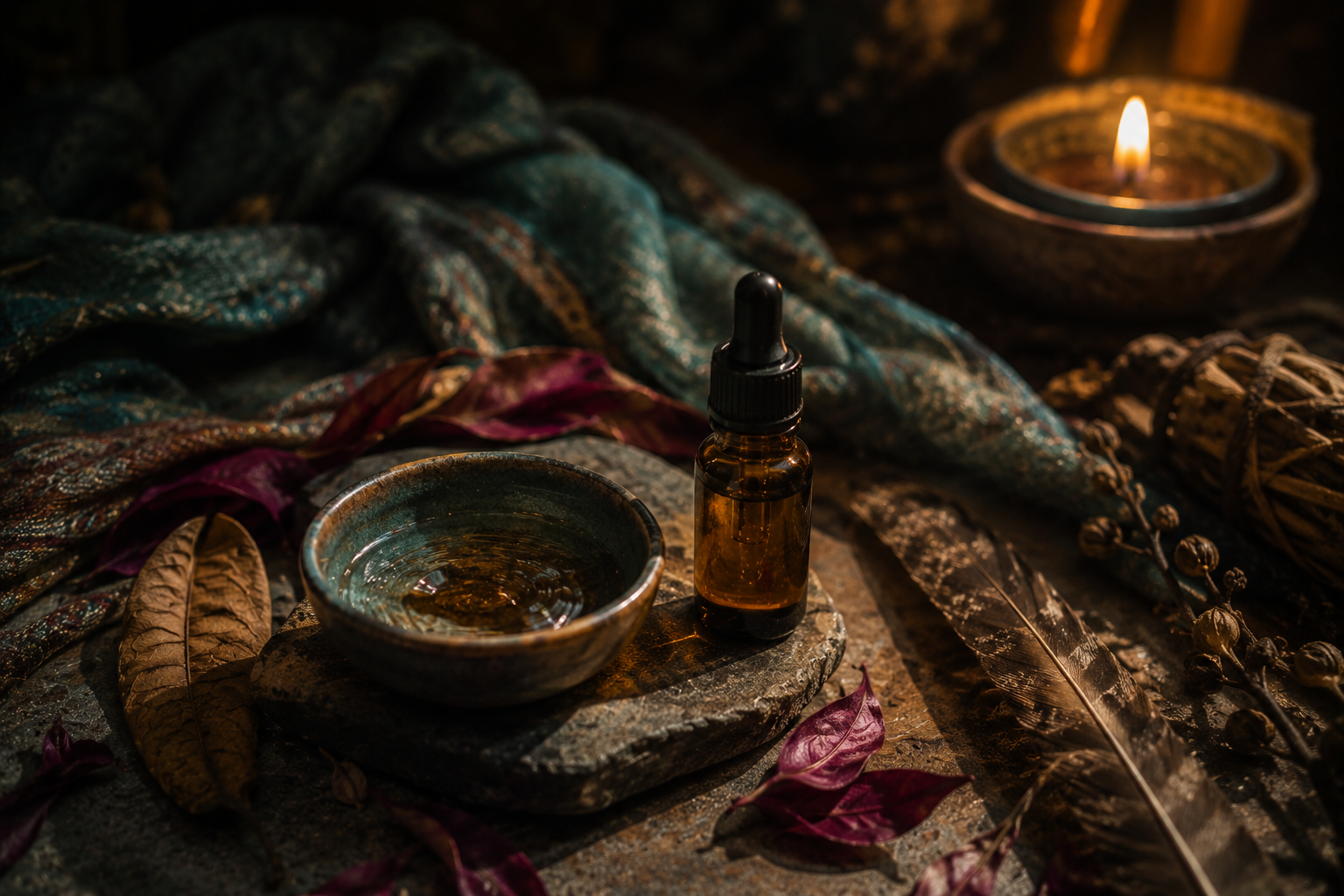
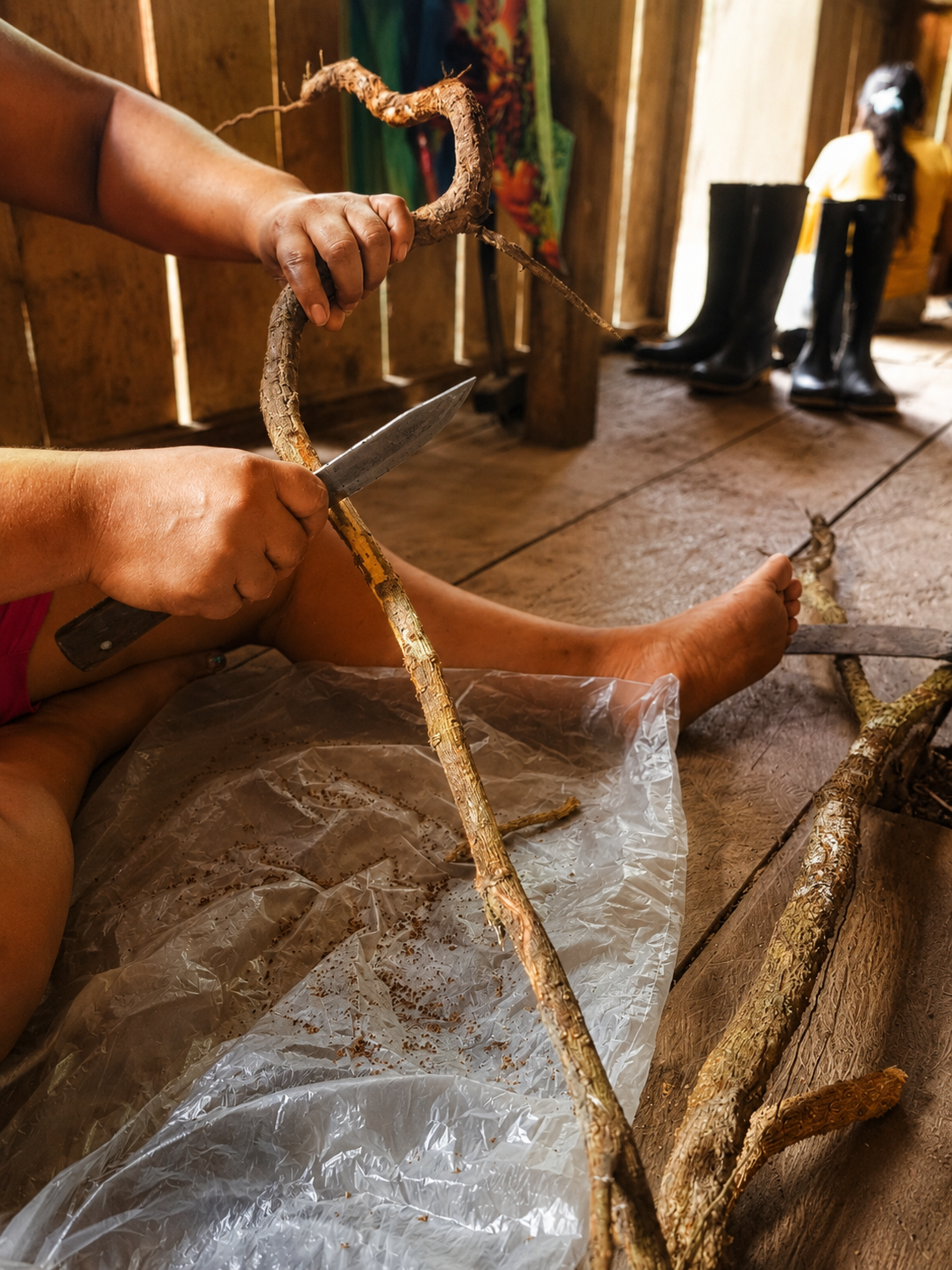
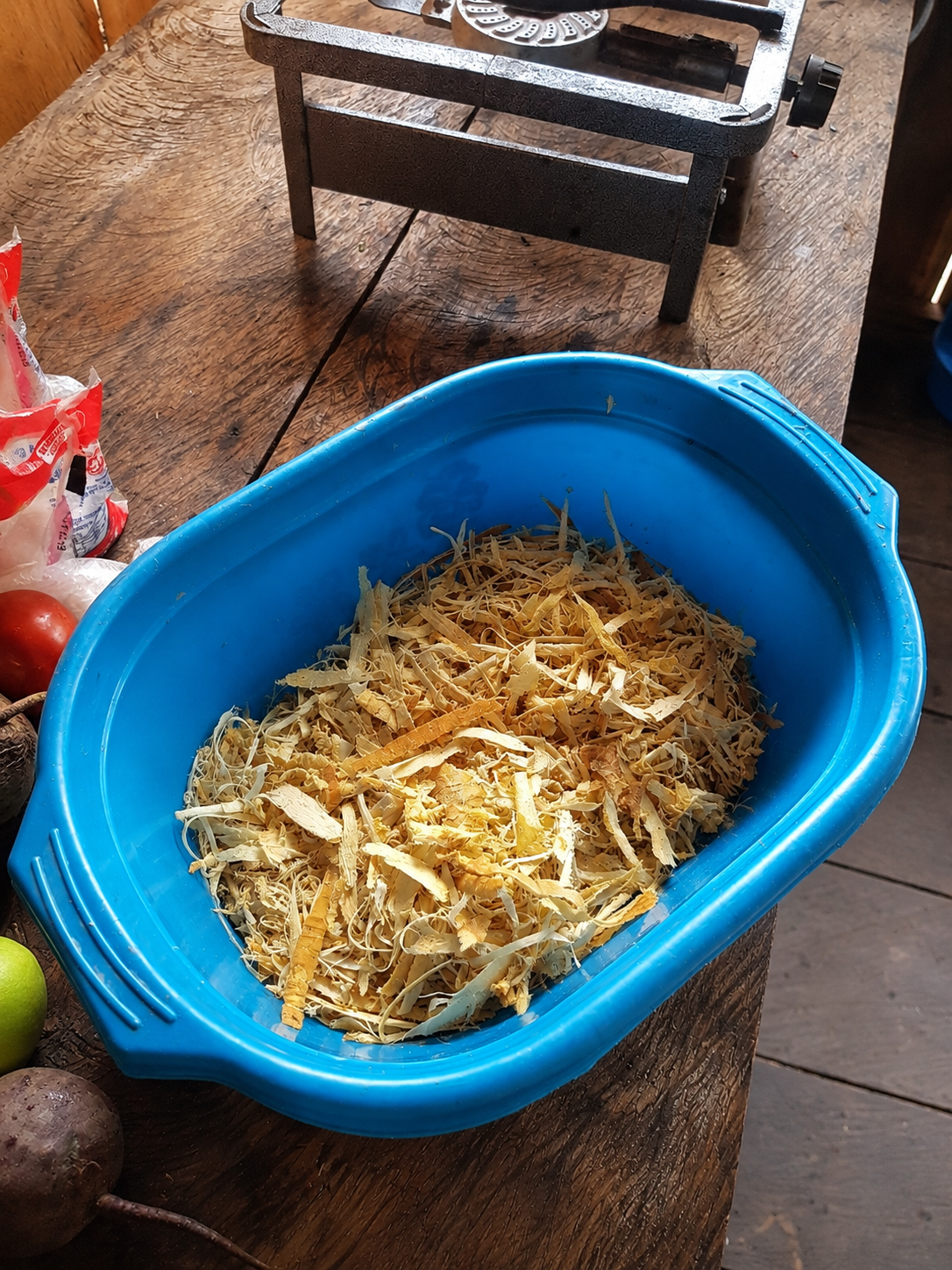
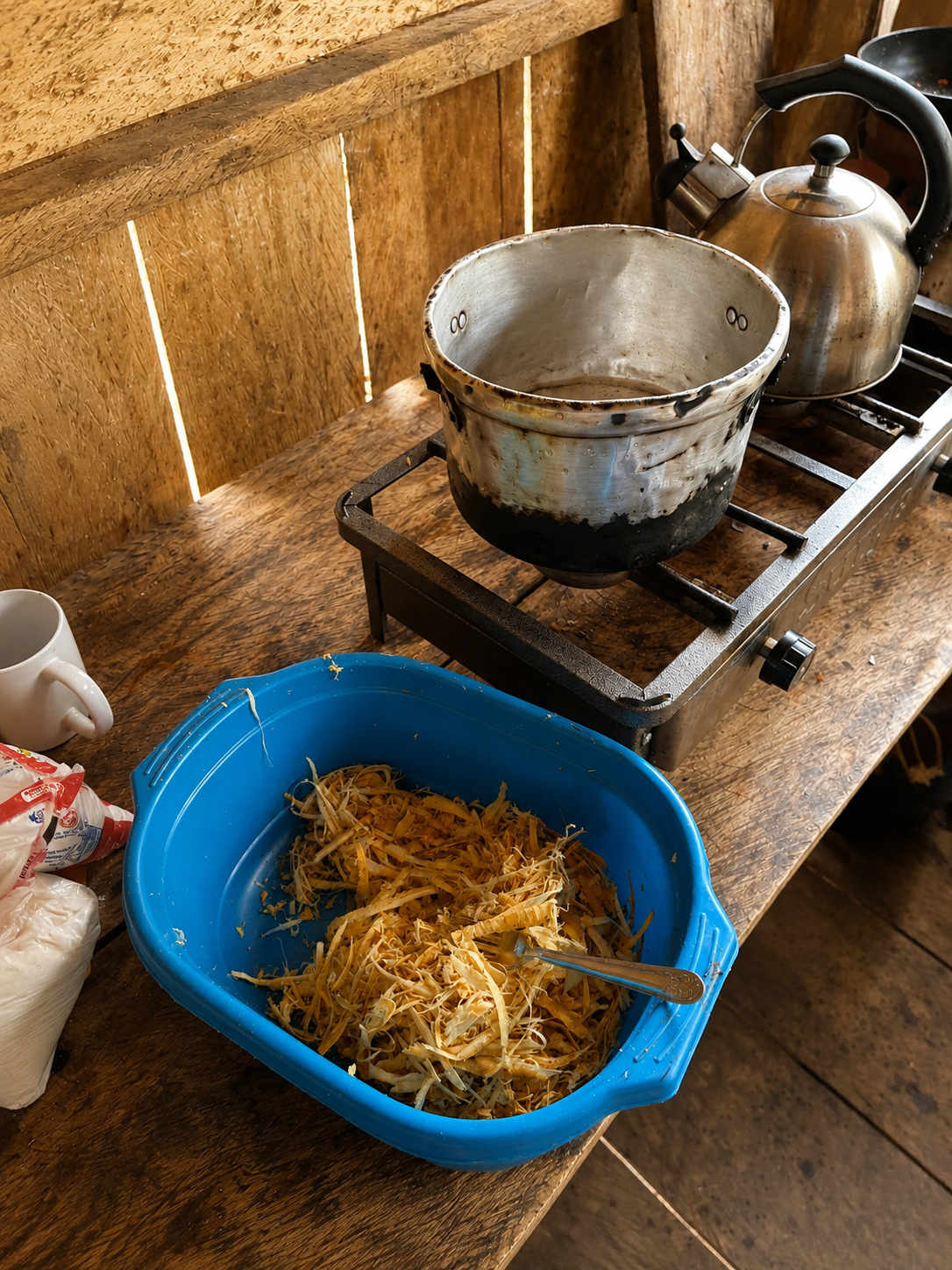
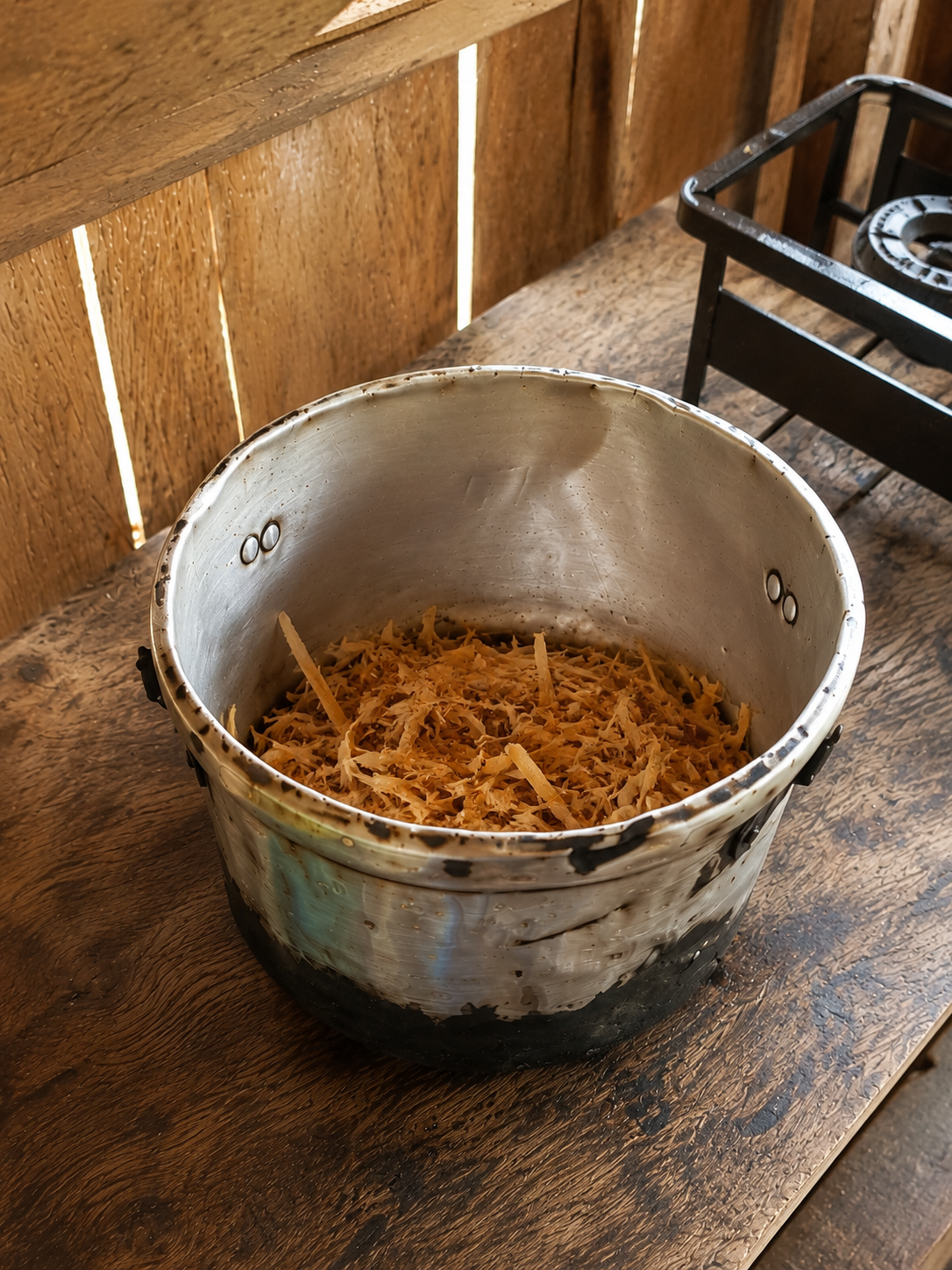
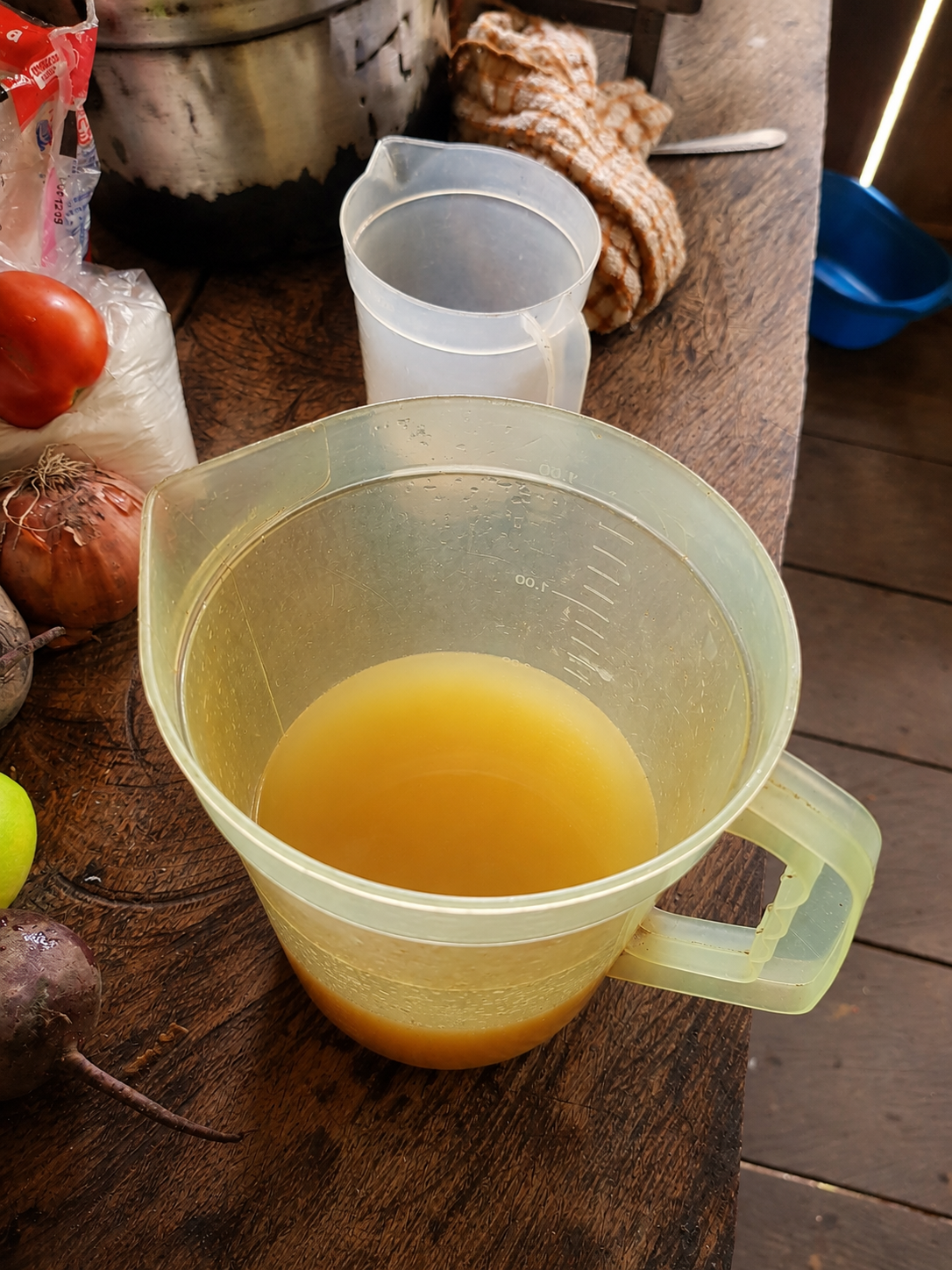
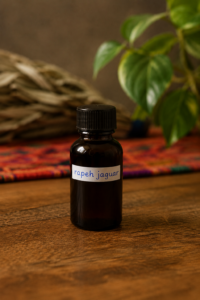
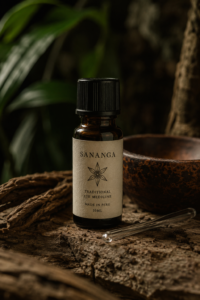
Sananga is a traditional Amazonian plant preparation made from the root bark of medicinal shrubs from the Tabernaemontana family. Traditionally used by different indigenous communities of the Amazon, it has long been associated with cleansing, focus, hunting, and energetic balance.
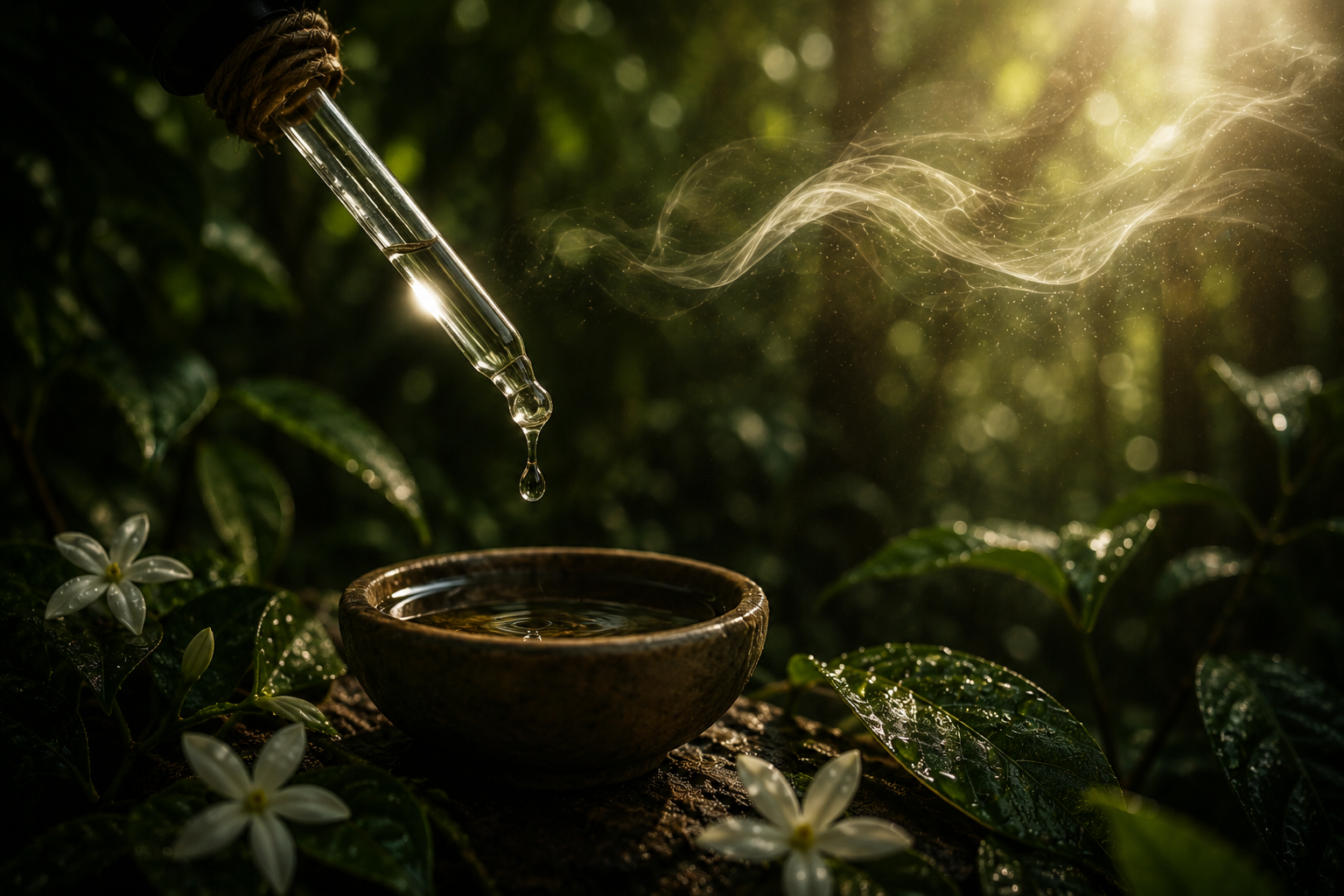
Traditionally prepared as medicinal eye drops, Sananga is applied directly into the eyes within the ceremonial practice.
Within my work, Sananga is most often used after the Kambo Ceremony to help close the ceremonial space and support the integration process. In some cases, it may also create an opportunity to release or move through what still feels emotionally or energetically held after the session.
Working with Sananga


What is Rapeh
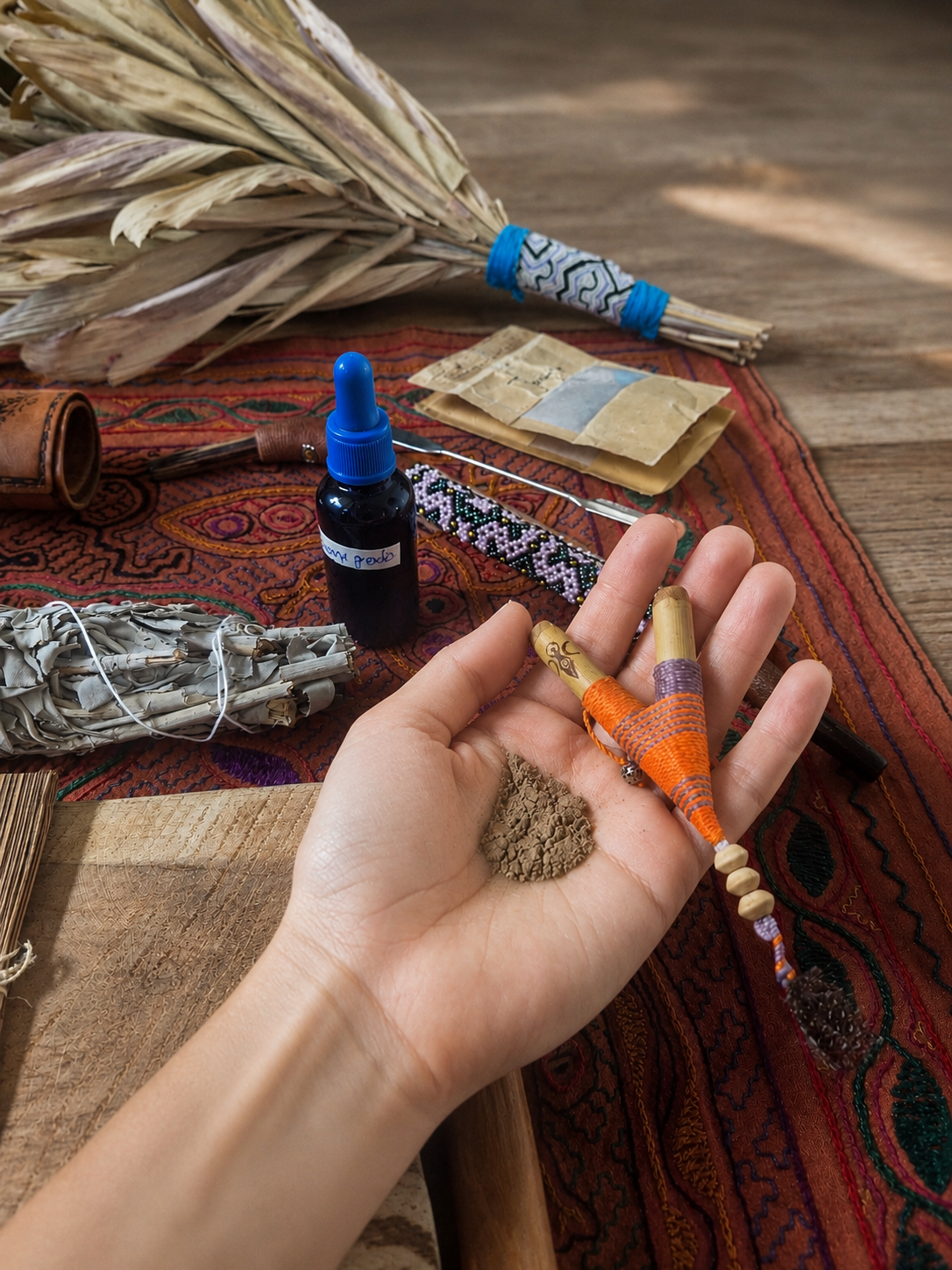
Rapeh is a traditional plant blend used for generations by different indigenous communities across South America within ritual and healing traditions. Prepared as a fine sacred snuff, it is traditionally applied through the nostrils as part of grounding, prayer, and energetic cleansing.
The application creates an immediate and often intense experience that can bring stillness, sharpen awareness, and support a deeper connection with the body and breath
The Blend
The composition of Rapeh can vary greatly from one preparation to another, but the foundation of the blend is traditionally made with finely ground mapacho tobacco and the ash of medicinal trees. Different preparations may include sacred wood ash such as Tsunu, Cumaru, or Pau Pereira, combined with carefully selected botanical ingredients including cacao, cinnamon, eucalyptus, tonka bean, or medicinal plants from the Amazon and the Andes. Each blend carries its own texture, aroma, strength, and energetic quality shaped by the plants, the intention behind the preparation, and the traditions from which it originates.
The Application
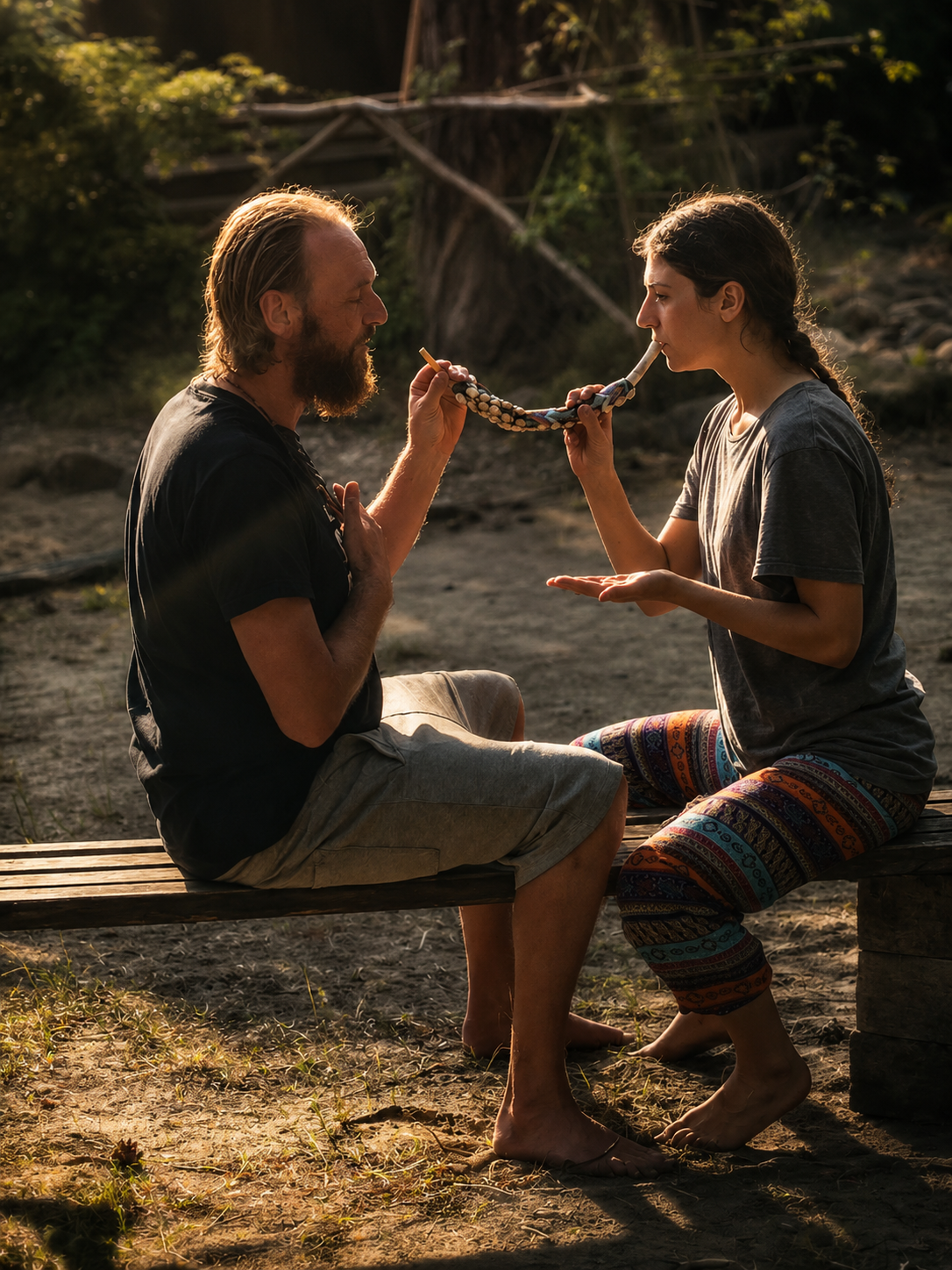
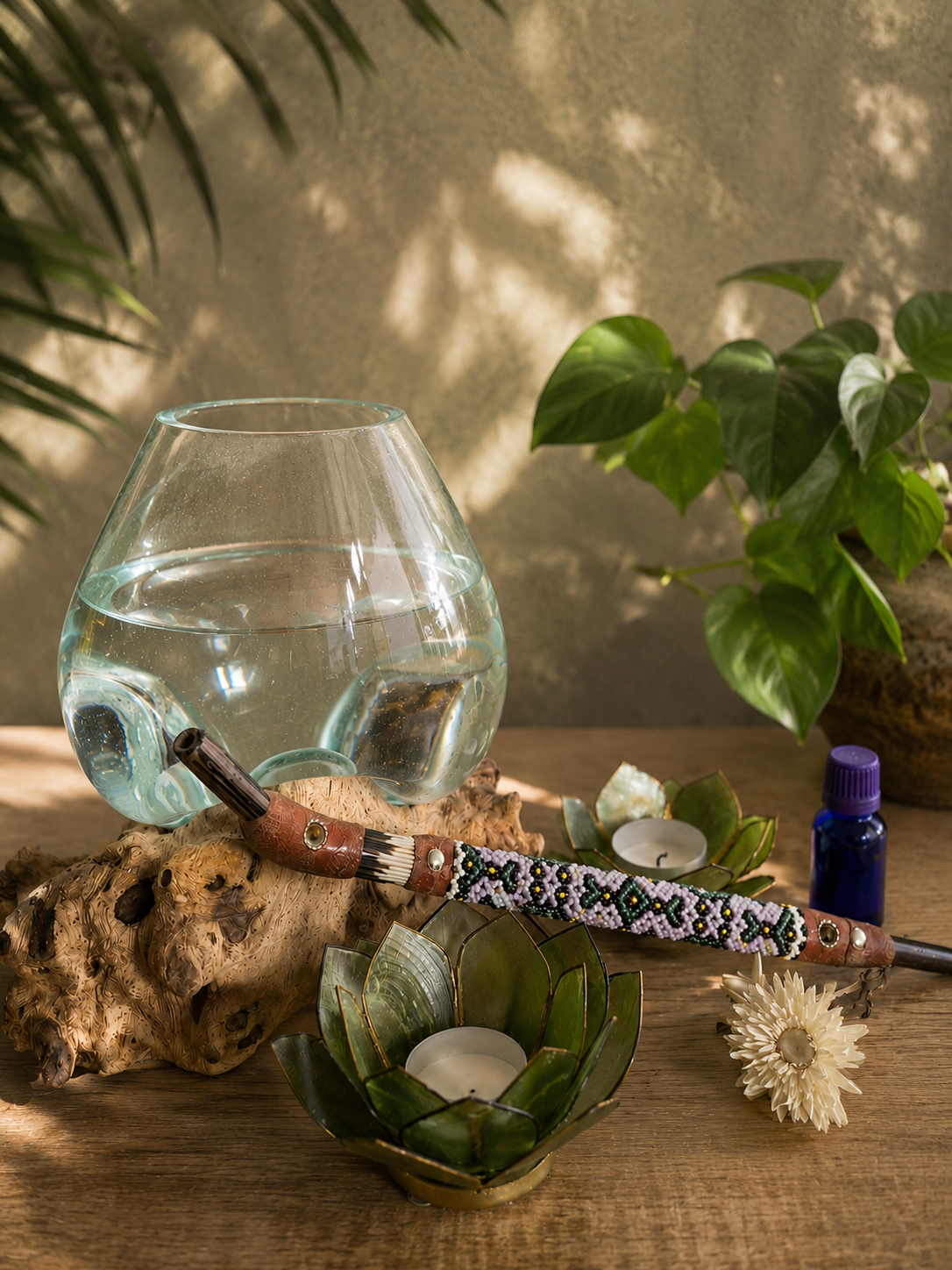
Traditionally, the medicine is applied through the nostrils using a Kuripe for self-application or a Tepi when offered by another person within a ceremonial setting. The act of receiving Rapeh can carry different intentions depending on the context, the person, and the moment within the work itself. The blow can feel intense and immediate, often followed by a sense of mental quietness, physical stillness, and a stronger sense of embodiment. In many traditions, the right and left nostrils are associated with different energetic flows. The right side is often connected with action, focus, structure, and the masculine principle, while the left relates more to intuition, emotional sensitivity, receptivity, and the feminine. For this reason, the medicine is generally applied to both nostrils to support balance between these complementary energies.
During Ceremony
Within the work, Rapeh is most often offered after the Kambo process to support integration and create a more conscious transition after the intensity of the experience. At times, it can also help soften what still feels emotionally or energetically held, encouraging a deeper sense of steadiness, reconnection, and internal balance after the session.
In the Silence...
Supporting the work with these two powerful plants, and the intention behind offering them, often brings you back into the center of the body and the rhythm of the breath.
Thoughts begin to quiet, everything slows down, and you can feel yourself more deeply rooted into the earth while remaining open above.
These moments invite you to listen, to receive, and to reconnect with the quieter parts of yourself that are often lost beneath noise, movement, and distraction.
More than intensity, this work teaches presence, stillness, gratitude, and the ability to feel with greater clarity and openness.